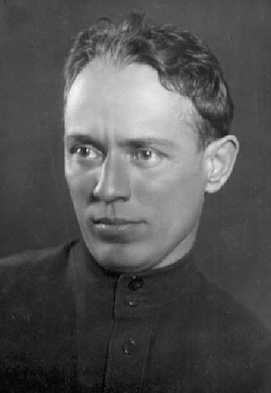
Călătorind cu Mircea Eliade printre mirosurile Indiei — în nr. 1288/2026 al revistei Observator cultural.
Labels
Wednesday, January 21, 2026
Wednesday, February 5, 2025
Mătănii și Eau de Cologne
Ohara Donovetsky
Ceai de zahăr ars. Proze cu femei și gusturi
Grafică: Iulia Șchiopu
Editura pentru Literatură și Artă, București, 2024
(„Mătănii și Eau de Cologne”, pp. 89-90)
***
(„Femeia care mirosea a Plafar”, p. 91)
Thursday, June 20, 2024
Mirosurile Bucureștiului fanariot
Doina Ruști
Manuscrisul fanariot
(2015)
Polirom, Iași, 2016
(41)
*
(46)
*
(48-49)
*
(107)
Thursday, January 4, 2024
Thursday, November 9, 2023
Recomandare de lectură: 𝑷𝒂𝒓𝒇𝒖𝒎 𝒅𝒆 𝒈𝒍𝒂𝒄𝒆
Sinuciderea lui Hiroyuki, parfumier de meserie, o confruntă pe Ryoko, iubita lui, nu doar cu durerea pierderii, ci și cu un univers nebănuit, care ascunde un trecut care trebuie recompus din piese disparate pentru a putea fi obținută o imagine coerentă a ființei iubite. Eroina romanului — care este, deopotrivă și naratoarea lui — demarează o anchetă-călătorie care are ca punct de plecare câteva fraze descoperite pe o dischetă din laboratorul iubitului ei și este ghidată de câteva indicii olfactive, în special, de mirosul trupului lui Hiroyuki (un miros ca de copac) și de parfumul special creat de acesta pentru ea și care poartă un nume grăitor: Izvor al memoriei.
Construit ca un puzzle al unor clipe trecute, care pot fi aduse împreună doar de forța evocatoare a mirosului, romanul lui Ogawa este o meditație pe marginea morții și a iubirii, punând veșnica și insolubila întrebare: cât de mult avem acces la ființa iubită?
✎
Monday, July 24, 2023
Femeia-floare / Zola
Émile Zola Greșeala abatelui Mouret (1875)
traducere de I.Gr. Periețeanu Polirom, 2014, p. 154
Wednesday, June 28, 2023
The vagina ▼ smelly ▼ monologues
Eve Ensler
The Vagina Monologues
(1996)
Pentru mai multe informații despre text, vezi pagina de Wikipedia.
Stop shoving things up me. Stop shoving and stop cleaning it up. My vagina doesn’t need to be cleaned up. It smells good already. Don’t try to decorate. Don’t believe them when he tells you it smells like rose petals when it’s supposed to smell like pussy. That’s what they’re doing, trying to clean it up, make it smell like bathroom spray or a garden. All those douche sprays, floral, berry, rain. I don’t want my pussy to smell like rain. All cleaned up like washing a fish after you cooked it. I want to taste the fish. That’s why I ordered it.
Friday, June 23, 2023
Parfum d’Istanbul
Metin Arditi
Dictionnaire amoureux d’Istanbul
Plon & Grasset, Paris, 2022, pp. 551-552
Parfum d’Istanbul
Un souvenir me revient, au moment de quitter ce texte.
Cela se passait dans une autre vie. J’étais consultant chez McKinsey, au bureau de Paris, le junior d’une équipe chargée d’étudier la division Luxe du groupe L’Oréal. En bon soldat, j’essayais de comprendre les tenants et les aboutissants d’un parfum. Qu’est-ce qui fait son succès ? La division comptait alors trois marques, Lancôme, Courrèges et Guy Laroche. Le grand patron en était le brillant Robert Salmon. Bien sûr, les contacts avec lui étaient comptés pour le débutant. Une personne clé, plus modeste dans la hiérarchie, dirigeait les cheffes de produits, toutes de jeunes femmes qui appelaient leur patronne « la mère supérieure du couvent ». Elle avait “patronyme – piquant hasard – Lemoine (prénom : Clémence). C’est avec elle que j’essayai de comprendre ce qui faisait le succès d’un parfum. « Déjà, le nom ! » fut sa réaction. Y en avait-il un qui incarnait la perfection ? Oui, me répondit-elle, Ma Griffe, un parfum de la maison Carven. L’explication pourrait entrer dans un dictionnaire comme exemple de paradoxe. En portant son parfum et en frottant sa peau à celle de son amant, la femme souhaite que celui-ci se souvienne d’elle, de ses tendresses, qu’il porte leur trace. Mais il fallait aussi que le parfum lui rappelle les morsures de l’amour. Qu’il lui inocule l’intranquillité. Un amour sans blessure ni chagrin, vous n’y pensez pas !
Telle est ma relation à Istanbul : passionnelle, admirative, charnelle, celle que j’aurais entretenue avec une femme qui m’aurait pris dans ses bras, aimé au-delà des mots, fait connaître mille plaisirs, et qui m’aurait, quelquefois, mordu au sang.
Ainsi je quitte ce texte, de la même manière que je quitte Istanbul à chacun de mes retours. Griffé. Et terriblement amoureux.Thursday, June 22, 2023
Mirosul timpului
Marshall McLuhan
Să înțelegem media. Extensiile omului
(1964)
traducere de Ovidiu George Vitan
Curtea Veche Publishing, București, 2011, p. 200
Simțul integral al timpului este cel exprimat în culturile chineză și japoneză. Până la sosirea misionarilor în secolul al XVII-lea și introducerea ceasurilor mecanice, chinezii și japonezii măsuraseră timpul, vreme de mii de ani, cu ajutorul gradațiilor bețigașelor parfumate care ardeau. Nu numai orele și zilele, dar chiar și anotimpurile și semnele zodiacale erau indicate simultan printr-o succesiune de mirosuri atent ordonate. Simțul olfactiv, considerat de multă vreme rădăcina memoriei și baza unificatoare a individualității, a ieșit din nou în prim-plan în experiențele lui Wilder Penfield. În timpul chirurgiei pe creier, stimularea electrică a țesutului creierului a trezit la viață amintiri ale pacienților. Aceste evocări erau dominate și unificate de arome și mirosuri unice care structurau experiențele trecute. Mirosul nu este numai cel mai subtil și mai delicat dintre simțurile umane; el este, de asemenea, și cel mai reprezentativ prin faptul că implică întreg sistemul senzorial al omului mai mult decât oricare alt simț. Nu e de mirare, în aceste condiții, că societățile puternic alfabetizate iau măsuri pentru reducerea și eliminarea mirosurilor din mediul înconjurător. Mirosul corporal, semnătura unică și declarația individualității umane, este o sintagmă dezagreabilă pentru societățile alfabetizate. Mirosul este mult prea intim pentru obiceiurile noastre de detașare și atenție specializată. Societățile care măsurau timpul prin mirosuri tindeau să fie coezive și unificate atât de profund, încât să reziste la orice schimbare.
(cap. „Ceasurile: mirosul timpului”)
Wednesday, May 17, 2023
A perfumer is...
Scent is the last sense to leave a dying person. After sight, hearing, and even touch are gone, the dying hold on to their sense of smell. Does that sharpen your appreciation of the arena in which we perfumers perform?
Fragrance is a conduit for our earliest memories, on the one hand; on the other, it may accompany us as we enter the next life. In between, it creates mood, stimulates fantasy, shapes thought, and modifies behavior. It is our strongest link to the past, our closest fellow traveler to the future. Prehistory, history, and the afterworld, all are its domain. Fragrance may well be the signature of eternity. [...]
There is a long-standing argument about whether perfuming is a science or an art. The argument is irrelevant, for at the higher levels, science and art are the same. There is a point where high science transcends the technologic and enters the poetic, there is a point where high art transcends technique and enters the poetic.
Tuesday, March 7, 2023
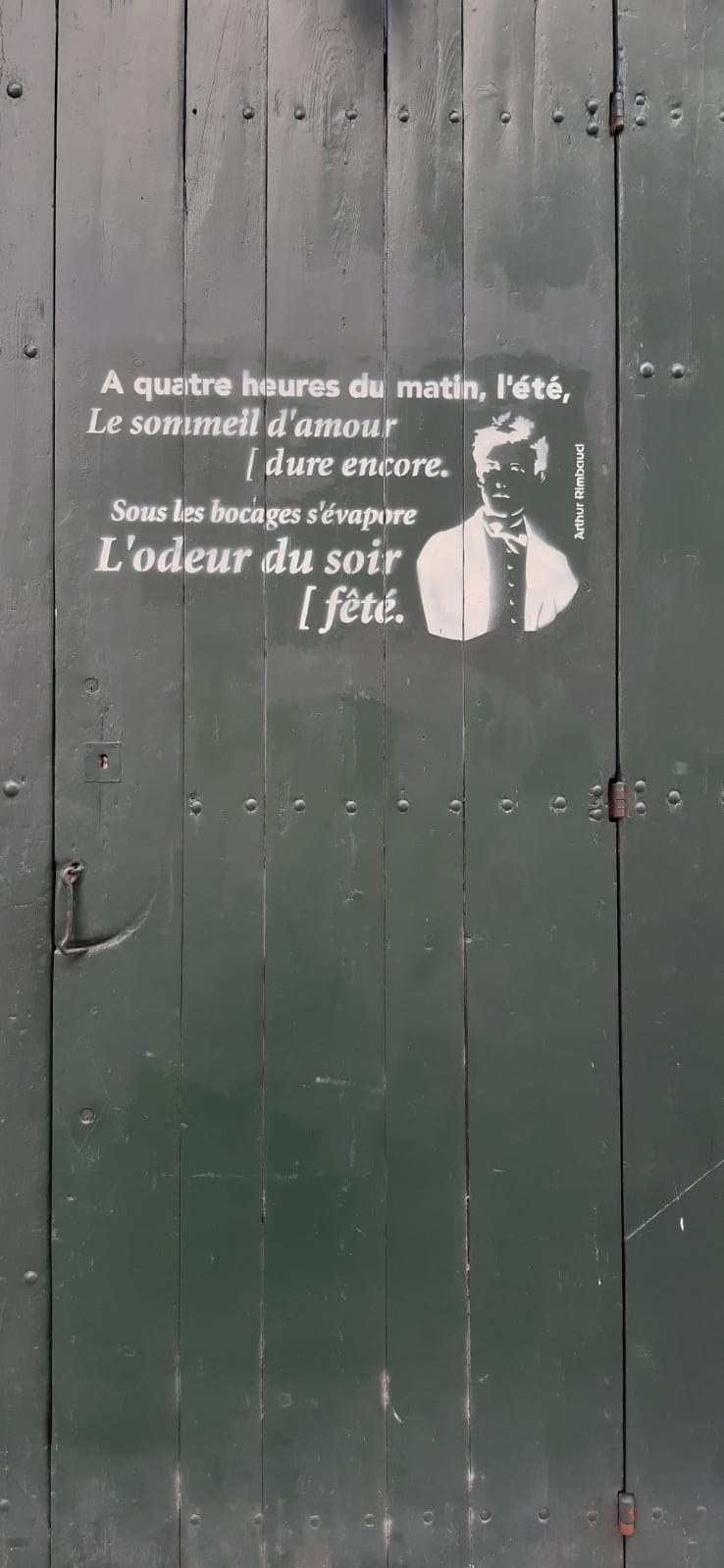
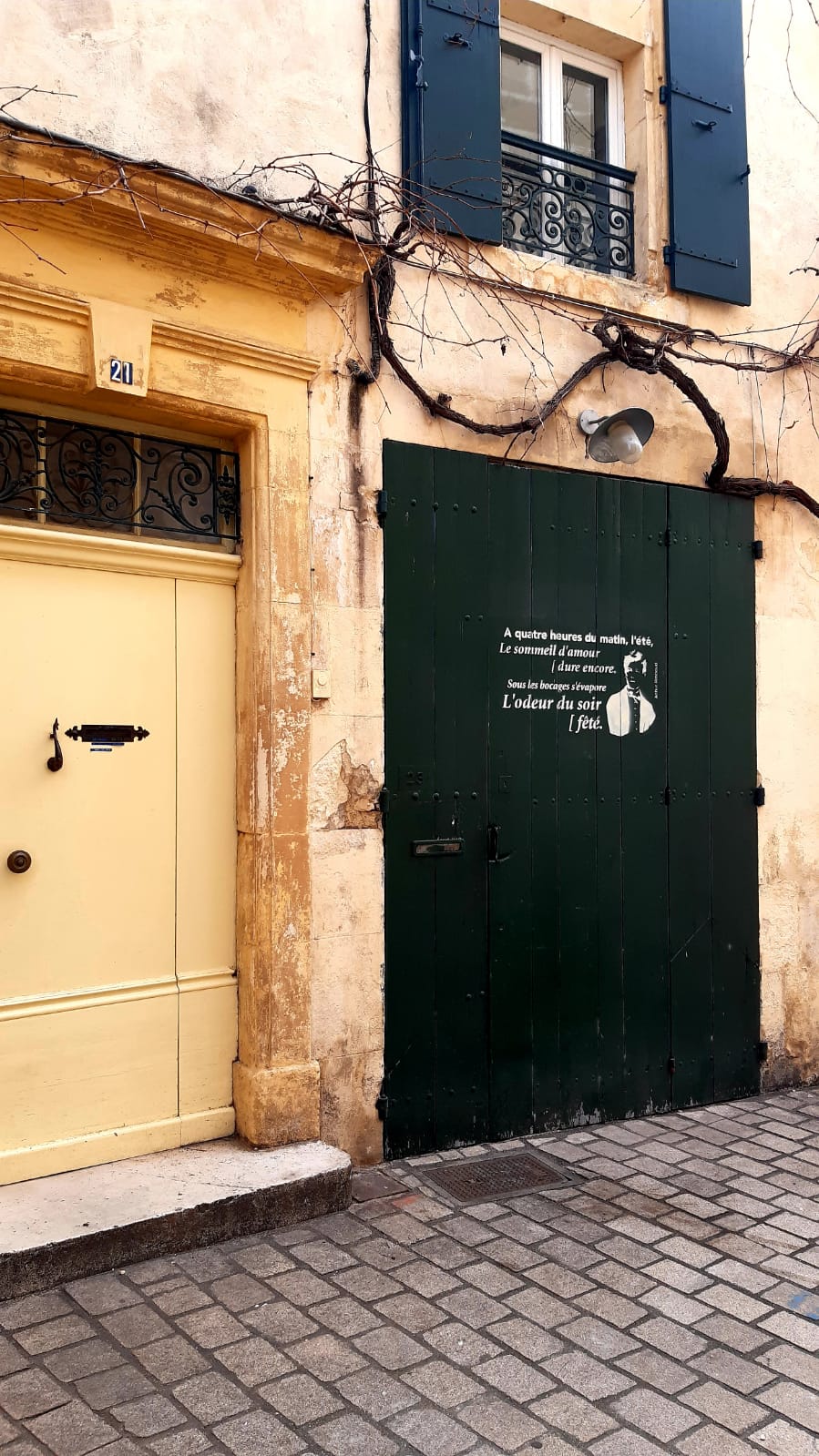
Mirosuri literare de la Arles
Friday, February 3, 2023
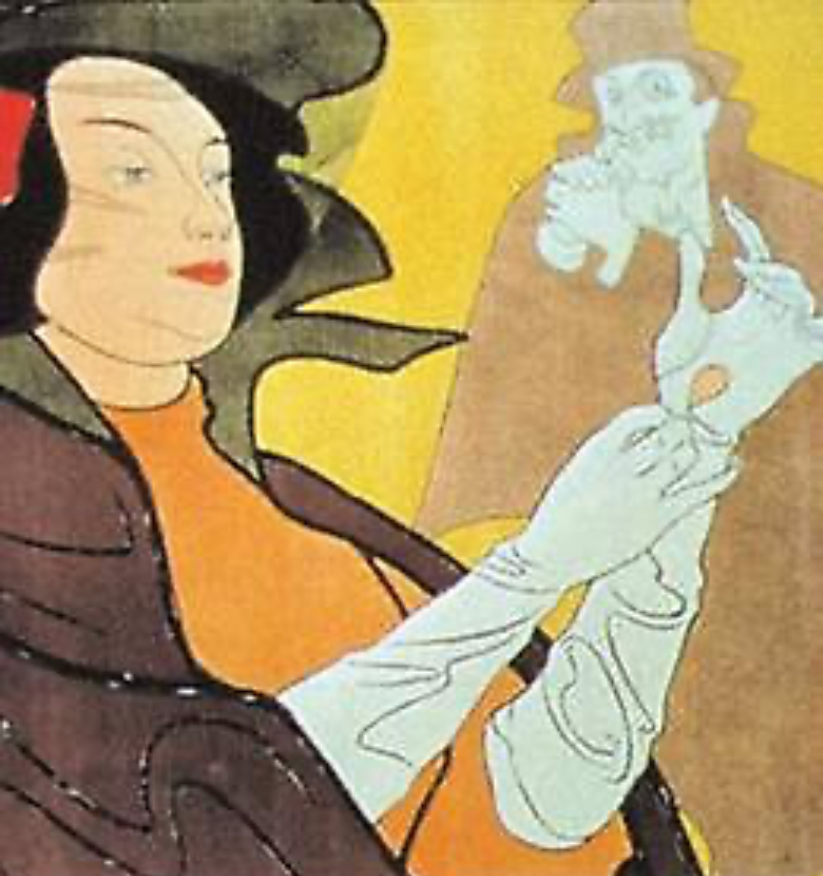
Mănuși parfumate
Émile Zola
„La Paradisul femeilor”
(1883)
traducere de Sarina Cassvan
Editura pentru Literatură, București, 1968, vol. I, p. 123
__________
* i.e. doamna Henriette Desforges.
Tuesday, January 31, 2023
Miros de cadavre
Chiar pentru asta am venit să-ți spun;
Pe catafalc, de căldură-n oraș,
Încet, cadavrele se descompun.
Cei vii se mișcă și ei descompuși,
Cu lutul de căldură asudat;
E miros de cadavre, iubito,
Și azi, chiar sânul tău e mai lăsat.
Toarnă pe covoare parfume tari,
Adu roze pe tine să le pun;
Sunt câțiva morți în oraș, iubito,
Și-ncet, cadavrele se descompun...
Tuesday, December 20, 2022
Metamorfoze
Parfumurile și unguentele nu erau deloc inocente în Antichitate. Folosite în practicile de magie sau doar însoțindu-le, ele aveau un efect transformator, de care parfumeria și cosmetica de azi sunt deplin conștiente, folosindu-l în publicitate.
Prin parfumurile și cosmeticele folosite, spune discursul publicitar contemporan, devenim altcineva — o alternativă mai bună a noastră înșine. Deși adăugate, ele ajung o parte din noi, o parte a noii identități.
Potrivit unei alte direcții de abordare, parfumurile și cosmeticele ne ajută să (re)găsim în noi esența, autenticul, acel eu profund și uitat, care, și el, odată (re)descoperit, ne face mai buni.
Oricum ar fi, idealul artificiului cosmetic (și olfactiv) este metamorfoza.
Apuleius
The Golden Ass, or A Book of Changes
translation by Joel C. Relihan
Hackett Publishing Company, Inc., Indianapolis/Cambridge, 2007
#antologie
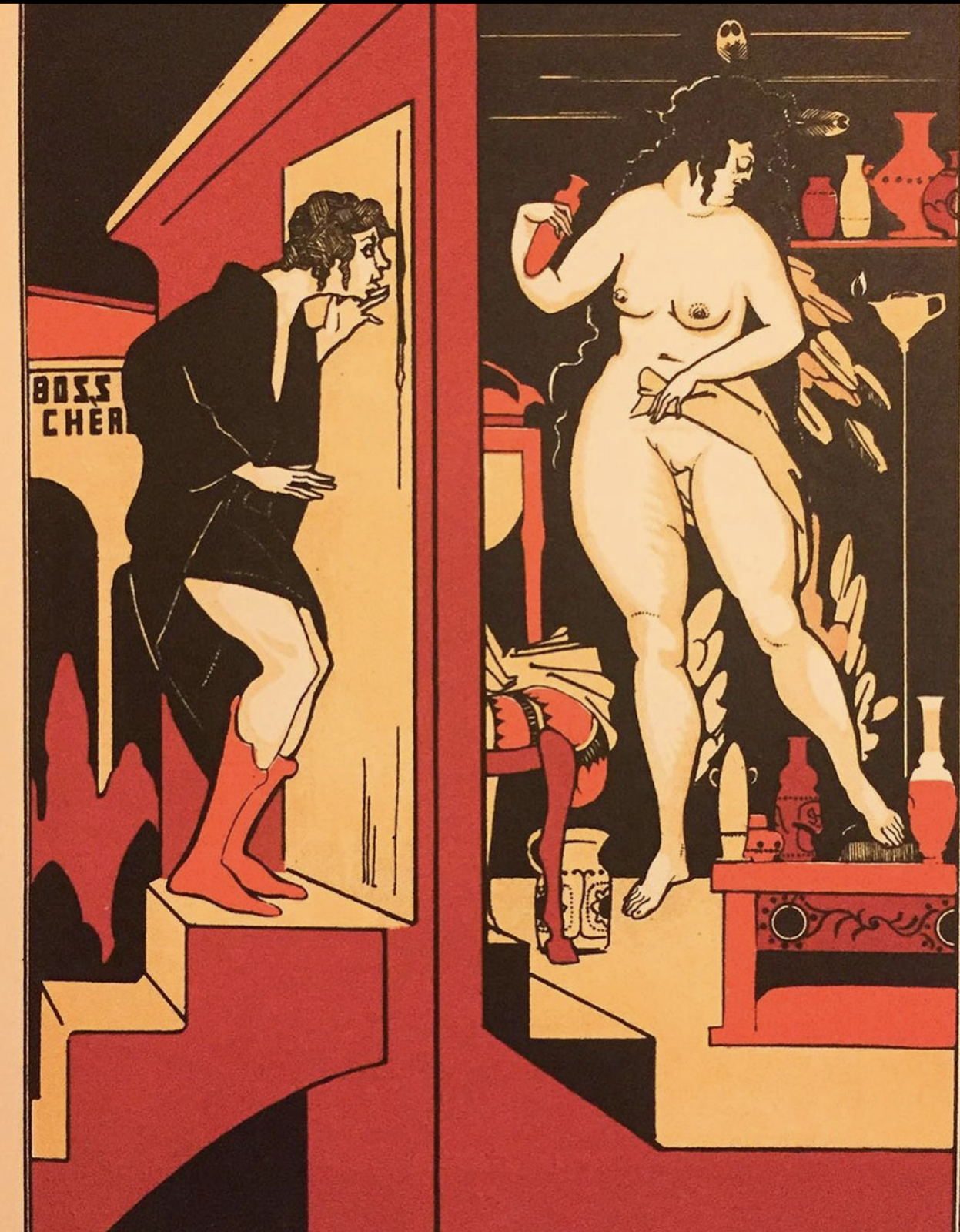
Illustration by Jean de Bosschère for the 1923 edition of The Golden Ass
...one day Photis ran up to me, all excited and fairly afraid; she let me know that her mistress, even after all this time, had had no success in her erotic stratagems by any of her other arts, and that, on the coming night, she was going to cover herself in feathers, take on the shape of a bird, and in this guise fly off to the object of her desire. I must discreetly make myself ready, she said, for my observation of an affair of such magnitude.
And so, round about the first watch of the night, she leads me there herself, on tiptoe, step by silent step, toward that upper room, and instructs me to check out, through a little chink in the doors, what’s going on within. First, Pamphile strips off all of her clothes. Then she opens up a little chest and takes out from it a number of small jars. She takes the stopper out of one of them, pours out some oleaginous unguent from it, and rubs it and warms it between her palms; she smears herself all over with it, from her toenails all the way up to the hair on top of her head. Then, after she mutters secret words at length to her lamp, she makes her body quiver in spasmodic jolts. Her limbs then lightly waver and sway, and from them first to flash forth is the soft down; then grow the shafted feathers; her nose, now hooked, hardens into a beak; her nails contract into barbed talons. Pam- phile turns into a horned owl! She lets loose a hissing screech; she starts in to testing herself, hopping up and down in gradually and deliberately larger bounds; soon enough, she raises herself aloft into the abyss of the air; on wings wide outstretched she flies away from the house and is gone.
(cap. III, pp. 60-61)
***
Apuleius, Măgarul de aur
traducere și note de I. Teodorescu, Editura pentru literatură, București, 1968
Cam pe la începutul nopții, ea însăși mă conduse în tăcere și în vârful picioarelor, până la baraca stăpânei sale și mă pofti să privesc, printr-o crăpătură a ușii, cele ce s-au întâmplat precum urmează.
Mai întâi, Pamfilia își lepădă toate hainele de pe ea, apoi deschise o lădiță și scoase din ea mai multe cutii. Săltă capacul uneia din ele și, luând o anumită alifie, o frecă mult în palme și se unse cu ea pe tot corpul, de la unghiile picioarelor până în creștetul capului. Apoi vorbi mult cu lampa ei* în cuvinte misterioase, își scutură cu o mișcare sacadată mădularele și, în timp ce ele se legănau ușor ca valurile, mai întâi îi apăru un puf moale, apoi îi crescură pene puternice, nasul i se încovoie și se întări, unghiile i se strânseră și luară formă de gheare. Pamfilia s-a transformat în bufniță. Atunci, după ce scoase jalnic, încercă să se înalțe puțin câte puțin de la pământ și curând, ridicându-se în sus, își luă repede zborul, năpustindu-se afară din cameră.
În adevăr, prin puterea artei sale, ea se metamorfozase de bunăvoia ei. Dar, deși pe mine nu mă fermecase cu nici o vorbă vrăjitorească, totuși eram așa de înmărmurit de ceea ce văzusem, încât mi se părea că sunt cu totul altul decât Lucius. Astfel, ca un smintit și încremenit în nebunia mea, visam cu ochii deschiși și, frecându-mă mereu la ochi, căutam să-mi dau seama dacă eram cu adevărat treaz.
(pp. 70-71)
_______________
* Lampa era socotită ca o emblemă a discreției, pentru că ea vede totul și nu lasă să se vadă nimic în afară (n. trad.).
Saturday, October 15, 2022
Mihail Șolohov ✎ Donul liniștit
Mihail Șolohov
Donul liniștit
Editura pentru Literatură Universală, București, 1963, p. 1696
Respira cu nesaț mirosul amestecat, iute, de sudoare de bărbat și de tutun, atât de cunoscut și de drag, un miros care era numai al lui. Ar fi fost în stare să-l deosebească cu ochii închiși dintr-o mie de bărbați… Obrajii ei purpurii ardeau, inima îi bătea repede și puternic.
_______________
Îi mulțumim doamnei Iuliana Blăjan pentru semnalarea citatului.
Saturday, October 8, 2022
Robert Levine ✎ Geografia timpului
Robert Levine
Geografia timpului.
De ce timpul nu se măsoară la fel în toate culturile
(1997)
Traducere de Irina Manea
Pe baza ceasului cu apă au fost inventate apoi tot felul de aparate care se foloseau de orice curgea, ardea sau era ars. Unele dintre cele mai cunoscute dintre acestea măsurau timpul prin arderea uleiului sau a lumânărilor, sau, desigur, prin curgerea nisipului din clepsidră. Chinezii au dezvoltat un ceas cu tămâie. Mecanismul de lemn consta într-o serie de cutiuțe de aceeași mărime. Fiecare conținea o aromă diferită de tămâie. Știind cât dura arderea esenței din fiecare cutiuță și ordinea în care ardeau esențele, observatorii își puteau da seama ce oră este ghidându-se după miros.
(p. 82)
***
Aborigenii din jungla Andaman din India nu au nici ei nevoie să cumpere calendare. Andamanezii au elaborat un calendar anual complex în jurul secvenței de mirosuri dominante ale copacilor și florilor din mediul lor. Când vor să știe în ce perioadă a anului sunt, andamanezii adulmecă mirosurile de afară.
(pp. 124-125)
Monday, October 3, 2022
Doris Lessing ✎ The Golden Notebook
Doris Lessing
The Golden Notebook
1962
Harper Perennial, Modern Classics
2013 (e-pub)
...I am worrying about this business of being conscious of everything so as to write it down, particularly in connection with my having a period. Because, whereas to me, the fact I am having a period is no more than an entrance into an emotional state, recurring regularly, that is of no particular importance; I know that as soon as I write the word “blood,” it will be giving a wrong emphasis, and even to me when I come to read what I’ve written. And so I begin to doubt the value of a day’s recording before I’ve started to record it. I am thinking, I realise, about a major problem of literary style, of tact. For instance, when James Joyce described his man in the act of defecating, it was a shock, shocking. Though it was his intention to rob words of their power to shock. And I read recently in some review, a man said he would be revolted by the description of a woman defecating. I resented this; because, of course, what he meant was, he would not like to have that romantic image, a woman, made less romantic. But he was right, for all that. I realise it’s not basically a literary problem at all. For instance, when Molly said to me, with her loud jolly laugh: I’ve got the curse; I have instantly to suppress distaste, even though we are both women; and I begin to be conscious of the possibility of bad smells. Thinking of my reaction to Molly, I forget about my problems of being truthful in writing (which is being truthful about oneself), and I begin to worry: Am I smelling? It is the only smell I know of that I dislike. I don’t mind my own immediate lavatory smells; I like the smell of sex, of sweat, of skin, or hair. But the faintly dubious, essentially stale smell of menstrual blood I hate. And resent. It is a smell that I feel as strange even to me, an imposition from outside. Not from me. Yet for two days I have to deal with this thing from outside—a bad smell, emanating from me. I realise that all these thoughts would not have been in my head at all had I not set myself to be conscious.
”Free Women 2: Two Visits, Some Telephone Calls And A Tragedy”, 17th September, 1954
Sunday, September 18, 2022
W. Somerset Maugham ✎ On a Chinese Screen
On a Chinese Screen
(1922)
William Heinemann, Londra, 1953, pp. 132-133
When I lay in my bed I asked myself why in the despotic East there should be between men an equality so much greater than in the free and democratic West, and was forced to the conclusion that the explanation must be sought in the cess-pool. For in the West we are divided from our fellows by our sense of smell. The working man is our master, inclined to rule us with an iron hand, but it cannot be denied that he stinks: none can wonder at it, for a bath in the dawn when you have to hurry to your work before the factory bell rings is no pleasant thing, nor does heavy labour tend to sweetness; and you do not change your linen more than you can help when the week’s washing must be done by a sharp-tongued wife. I do not blame the working man because he stinks, but stink he does. It makes social intercourse difficult to persons of a sensitive nostril. The matutinal tub divides the classes more effectually than birth, wealth, or education. It is very significant that those novelists who have risen from the ranks of labour are apt to make it a symbol of class prejudice, and one of the most distinguished writers of our day always marks the rascals of his entertaining stories by the fact that they take a bath every morning.
Now the Chinese live all their lives in the proximity of very nasty smells. They do not notice them. Their nostrils are blunted/133 to the odours that assail the Europeans and so they can move on an equal footing with the tiller of the soil, the coolie, and the artisan. I venture to think that the cess-pool is more necessary to democracy then parliamentary institutions. The invention of the ‘sanitary convenience’ has destroyed the sense of equality in men. It is responsible for class hatred much more than the monopoly of capital in the hands of the few.
It is a tragic thought that the first man who pulled the plug of a water-closet with that negligent gesture rang the knell of democracy.
Sunday, September 4, 2022
Thursday, July 28, 2022
Paul Auster ✎ The Invention of Solitude
Paul Auster
The Invention of Solitude
(1982)
I remember a tiny, shriveled creature sitting in the front parlor of a two-family house in the Weequahic section of Newark reading the Jewish Daily Forward. Although I knew I would have to do it whenever I saw her, it made me cringe to kiss her. Her face was so wrinkled, her skin so inhumanly soft. Worse than that was her smell—a smell I was much later able to identify as that of camphor, which she must have put in her bureau drawers and which, over the years, had seeped into the fabric of her clothes. This odor was inseparable in my mind from the idea of “grandma”. […] After my father died, I discovered a trunk that had once belonged to his mother in the cellar of his house. It was locked, and I decided to force it open with a hammer and screwdriver, thinking it might contain some buried secret, some long lost treasure. As the hasp fell down and I raised the lid, there it was, all over again—that smell, wafting up towards me, immediate, palpable, as if it had been my grandmother herself. I felt as though I had just opened her coffin.
As a boy, I would occasionally go the rounds with him as he collected rent. I was too young to understand what I was seeing, but I remember the impression it made on me, as if, precisely because I did not understand, the raw perceptions of these experiences went directly into me, where they remain today, as immediate as a splinter in the thumb.
The wooden buildings with their dark, inhospitable hallways. And behind each door, a horde of children playing in a bare apartment; a mother, always sullen, overworked, tired, bent over an ironing board. Most vivid is the smell, as if poverty were more than a lack of money, but a physical sensation, a stench that invaded your head and made it impossible to think. Every time I walked into a building with my father, I would hold my breath, not daring to breathe, as if that smell were going to hurt me.
(“Portrait of an Invisible Man”)